

Here is a rare piece of good news for a nervous beginner swimmer: the wetsuit is on your side.
It is easy to assume a wetsuit is only for warmth, or that it is serious-athlete gear. Neither is true. A wetsuit makes you measurably faster in the water, and the research is clear that it helps the weakest swimmers the most.
That means you, if the swim is the leg you fear.
Here is what the evidence actually shows, when the rules let you wear one, and whether it is worth buying for a first triathlon.
What the research found
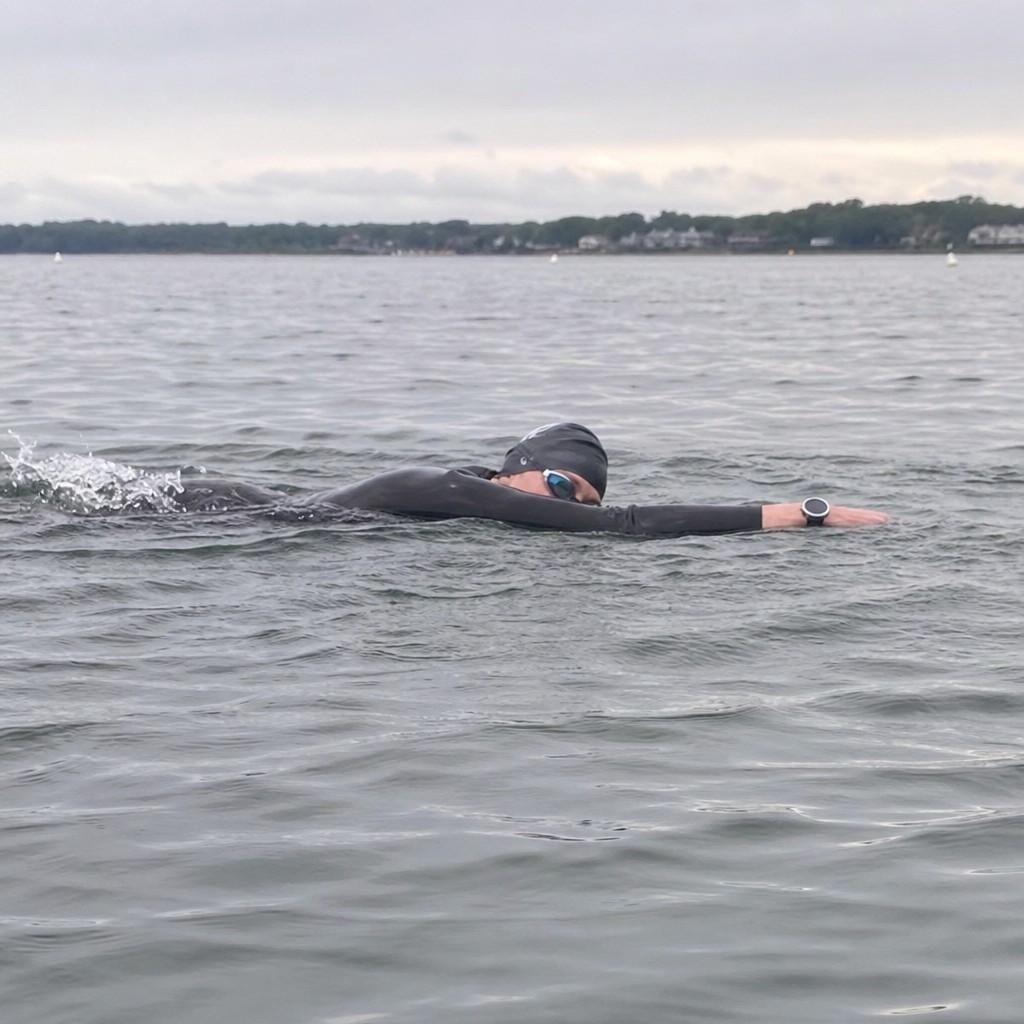
The classic study here is from Chatard and colleagues in 1995. They timed triathletes over 400 meters in the water, with and without a wetsuit.
The wetsuit swimmers were on average about 19 seconds faster over that 400 meters. Other research has measured a roughly 14% reduction in drag at normal triathlon swim speeds.
The most useful finding for a beginner is why it works.
Most of the speed does not come from slipperiness. It comes from buoyancy. The neoprene floats your hips and legs up, putting your body in the flat, high position that good swimmers work for years to hold. Researchers credit most of the gain to this buoyancy, not to drag reduction alone.
A wetsuit floats your hips into the position that good swimmers spend years learning to hold. It does for free what technique does slowly.
Then comes the part that matters most.
The worse your body position, the more a wetsuit helps. Strong swimmers already ride high in the water, so they gain less. A beginner who sinks at the hips, which is almost everyone new to the sport, gains the most.
For once, the gear genuinely does more for you than for the elite.
When you can, and cannot, wear one
A wetsuit is not always allowed. Races follow water-temperature rules, set by bodies like World Triathlon, and they cut both ways.
- In cold water, a wetsuit is mandatory. Below about 16°C (61°F) you have to wear one, for warmth and safety.
- In moderate water, it is optional. Through the high teens and low twenties Celsius, age-group athletes can choose, and most beginners should.
- In warm water, it is banned. Above roughly 24.6°C (76°F), wetsuits are not allowed, because overheating becomes the bigger danger.
The exact cutoffs vary by race and governing body, so check your specific event. But the shape of it is simple: a cold early-season lake is a wetsuit day, and a warm mid-summer race may not be.
The one thing a wetsuit is not
This needs saying plainly, because the buoyancy can fool people.
A wetsuit is not a life jacket. It helps you float and keeps you warm, both genuinely reassuring in open water. But it will not keep your airway clear if you panic, and it does not replace the basics: swim somewhere safe and supervised, never alone, and build your open-water comfort in training.
If the swim is what worries you, a wetsuit is a help, not a solution. The real fix is still learning to swim calmly in open water before race day. It is also worth knowing what the safety data actually says about the triathlon swim, so your caution is informed rather than vague.
Should a beginner buy one?
Maybe, but not first.
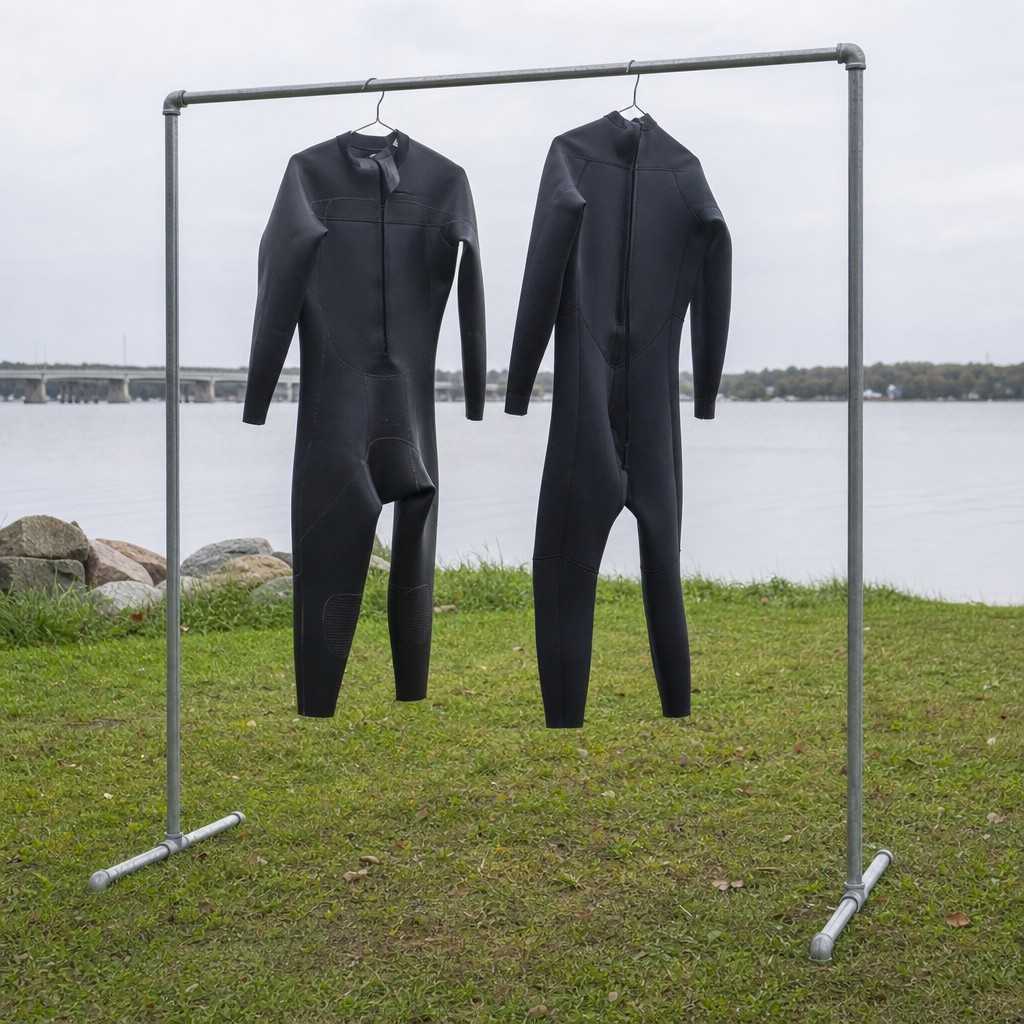
Rent or borrow before you buy. Plenty of tri shops and clubs rent wetsuits, and a borrowed suit tells you whether you even like swimming in one before you spend anything.
If it turns out you will be racing or training in cold open water regularly, a wetsuit earns its place. You do not need a top-end suit. An entry-level triathlon wetsuit does almost everything the expensive ones do for a beginner, and you can compare entry-level triathlon wetsuits on Amazon to see the range. Fit matters far more than price: too loose lets water in, too tight restricts your stroke.
The honest summary
For a beginner, a wetsuit is one of the few pieces of triathlon gear that genuinely pulls its weight.
It makes you faster, it helps you most precisely because you are new, and it turns cold open water from grim to manageable. Just hold on to what it is not, which is a safety device. Wear it when the rules allow, borrow before you buy, and let it do the one thing it is brilliant at: floating you into a better position than you could hold on your own.