

If something goes seriously wrong in a triathlon, it almost always happens in the water.
That is not a scare line. It is what the largest study of the question found. Researchers reviewed three decades of U.S. races, counted the deaths and cardiac arrests, and the pattern was stark.
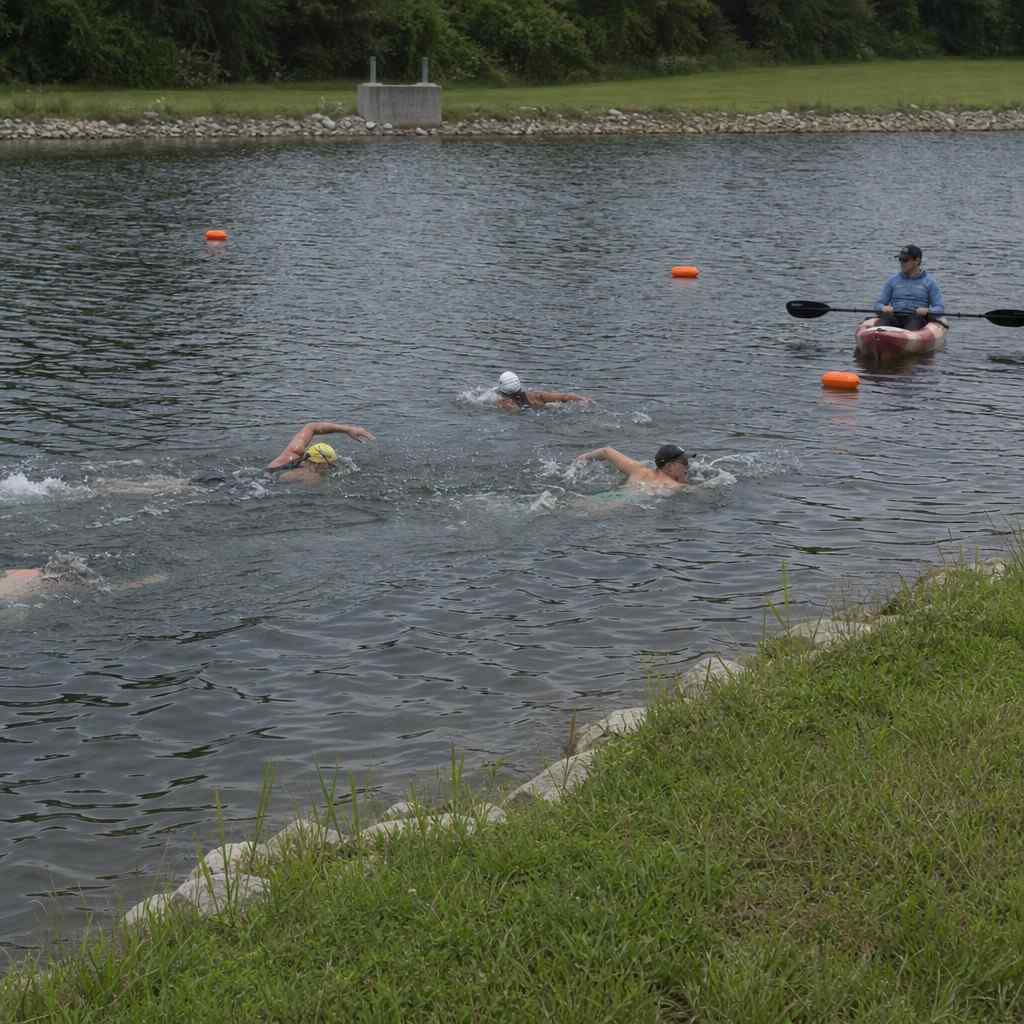
Most of them happened during the swim.
This is the part of triathlon that beginner guides tend to skip, because it is uncomfortable. You are better served knowing the real picture, in plain numbers, along with the sensible steps that follow from it.
First, the reassurance that has to come with the data: a triathlon is still a safe thing to do. The risk we are about to describe is real but small, and most of it is avoidable.
What the research actually found
The key source is a case series published in 2017 in the journal Annals of Internal Medicine, which reviewed deaths and cardiac arrests in USA Triathlon-sanctioned races from 1985 to 2016.
Over those three decades, the researchers documented 135 sudden deaths and cardiac arrests. The headline finding for a beginner is the one worth sitting with:
About two-thirds of the deaths happened during the swim, far more than the bike and the run combined.
The full findings are summarized by the Sudden Cardiac Arrest Foundation if you want to read further.
A few more numbers worth holding onto:
- The overall rate was about 1.74 deaths or cardiac arrests per 100,000 participants. That is higher than the roughly one per 100,000 reported for marathons, but still rare.
- The victims were overwhelmingly men, and mostly over 40, with an average age in the mid-forties.
- Among the hearts examined afterward, many showed cardiac abnormalities the person never knew they had.
The swim is not dangerous because swimming is dangerous. It is where a hidden heart problem, sudden cold water, and a hard effort all arrive at the same moment.
Why the swim carries the risk
Picture the start of an open-water swim. Several things stack up at once, and none of them hit the same way on the bike or the run.
- A flat-out start. Adrenaline, a crowd of swimmers, and the instinct to go hard from the gun spike your heart rate before your body is ready.
- Cold-water immersion. Sudden cold makes you gasp and adds load to your heart. A body that has only trained in a warm pool meets a cold lake for the first time on race morning.
- Trouble is hard to see. A struggling runner stumbles in plain view. A swimmer in difficulty can look almost like a swimmer who is fine, face down, until it is late.
- Hidden conditions get exposed. A maximal effort is exactly the stress test an undiagnosed heart problem can fail.
The swim does not create the danger. It uncovers it.
For most healthy beginners, none of this comes to anything. But the data is a clear argument for treating the swim with respect rather than bravado.
What a beginner should actually do
Here is where the numbers turn into something useful. None of it is heroic, and most of it costs nothing.
1. Get checked if you are over 40 or carry any risk factors. Extra weight, smoking, high blood pressure, or a family history of heart trouble all raise the stakes. See your doctor before you train hard. The study’s victims were mostly older men with conditions they never knew they had, so this is general information, not medical advice.
2. Meet open water, and cold water, long before race day. Race morning should not be the first time your body feels a cold lake. Learn the swim in open water somewhere safe and supervised, and build up to the temperature you will actually race in.
3. Warm up before the gun. A few easy minutes in the water lets your heart rate and breathing settle, instead of going from standing to maximum in a single stroke.
4. Start at the back and give yourself room. The front of the pack is a washing machine. Seeding yourself at the back buys clear water, a calmer effort, and nobody swimming over the top of you.
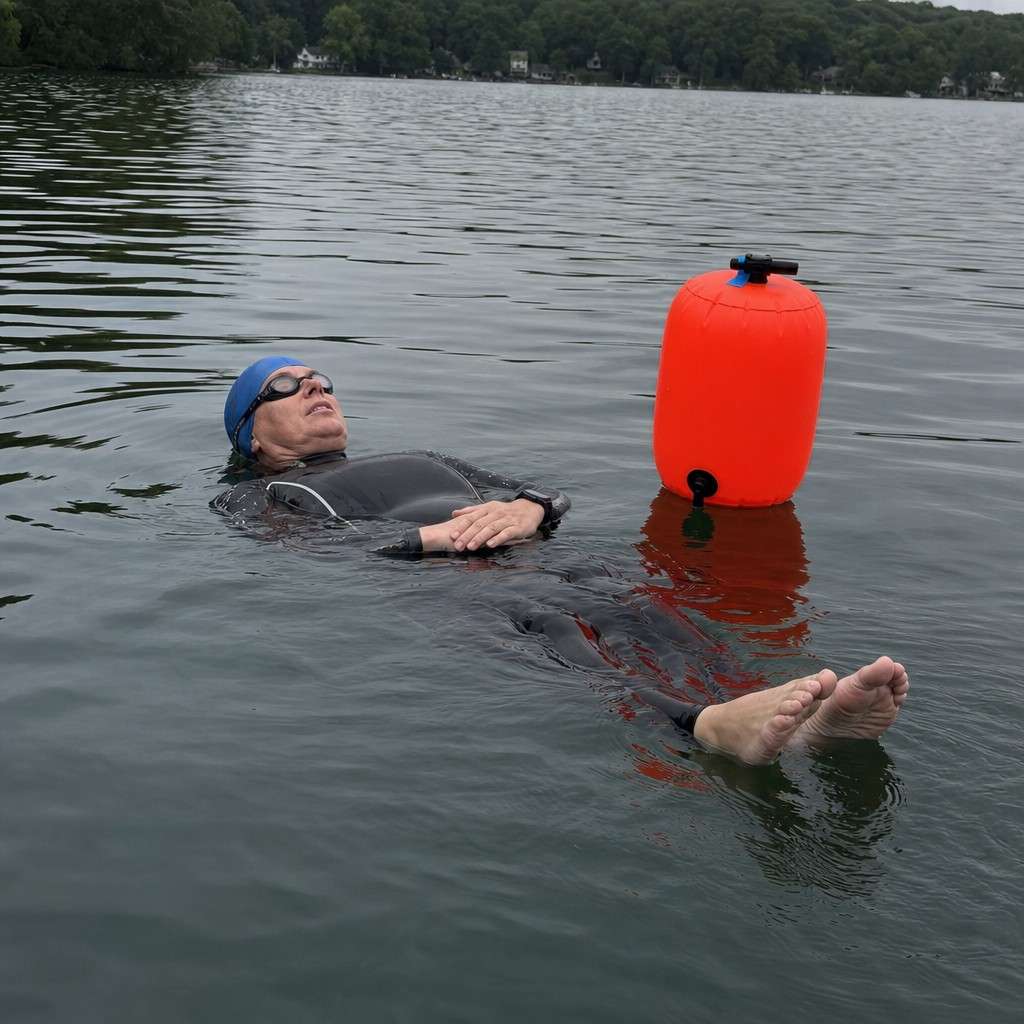
5. If you panic, stop swimming. Roll onto your back, float, and breathe. Floating is always available. Every supervised swim has kayaks and buoys you are allowed to hold. Stopping is not failing. It is the right response to feeling overwhelmed.
6. Never train in open water alone. A wetsuit helps you float and stay warm, but it is not a safety device, and it cannot call for help. Swim with other people, in supervised water.
Keeping it in proportion
It would be a mistake to read all this and decide triathlon is not for you.
The honest summary is two sentences. The swim is where the rare serious problems concentrate, so it earns real preparation and respect. And the risk is small, mostly avoidable, and no reason for a healthy, sensible beginner to stay on the couch.
A first sprint is still one of the most rewarding things you can take on, and most runners who try one finish surprised at how doable it was. Go in informed, train the swim properly, get a check-up if you should, and treat the water with respect.
That is not fear. That is how you get to enjoy this sport for a long time.
This article is general information, not medical advice. If you have any concern about your heart or your fitness to train, talk to your doctor before you start.